Frankenstein + Dr. Jekyll and Mr. Hyde + Surprise!
Frankenstein
J. Searle Dawley
- 1910
- USA
- Horror
- 16mn
- Mute
- Black and white
Exclusive
New 4K master
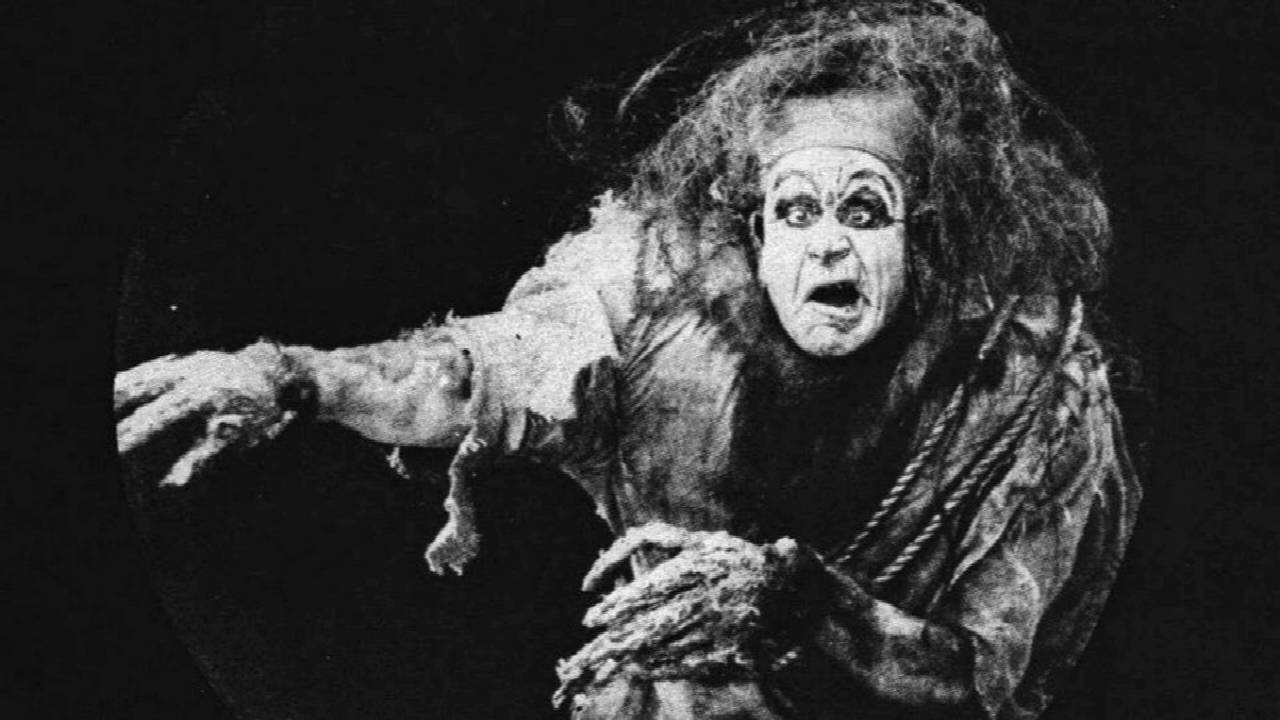
This Frankenstein is the first adaptation of Mary Shelly’s novel, made less than a century after it’s first publication. Though it takes many liberties with the original material, it remains a major milestone in the history of horror movies, for its approach on the genre in the beginning of the 20th century as well as for the inventiveness of the special effects. The birth of the monster, emerging from a cauldron as if by magic, was achieved by filming the combustion of a dummy and then playing the footage in reverse.
So, what better way to rediscover this jewel with this brand new restoration by the Library of Congress (USA)!
So, what better way to rediscover this jewel with this brand new restoration by the Library of Congress (USA)!
Credits
- With : Mary Fuller, Charles Stanton Ogle, Augustus Phillips, Brook Maddox...
- Screenplay : J. Searle Dawley, adapted from the novel 'Frankenstein; or, The Modern Prometheus' by Mary Shelley
- Photography : James White
- Music by : Donald Sosin
- Production : Thomas Edison
Dr. Jekyll and Mr. Hyde
John S. Robertson
- 1920
- USA
- Drama / Horror
- 1h08mn
- Mute
- Black and white
Exclusive
New 4K master
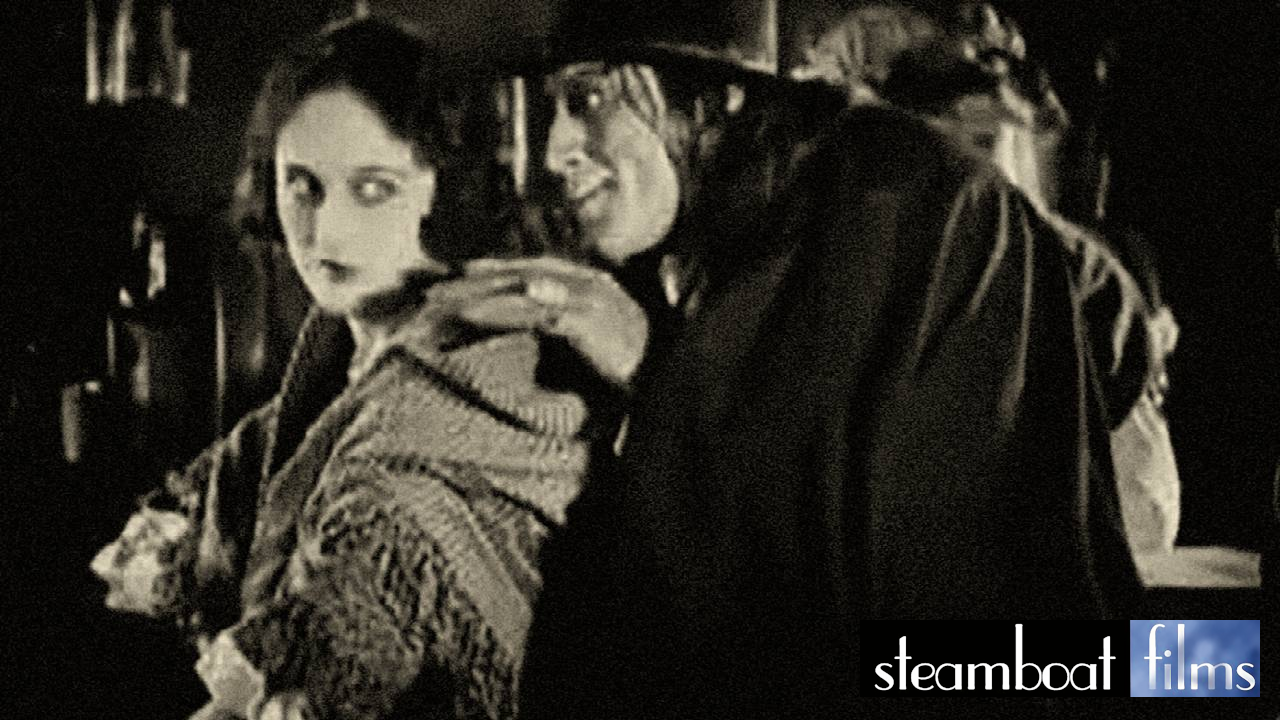
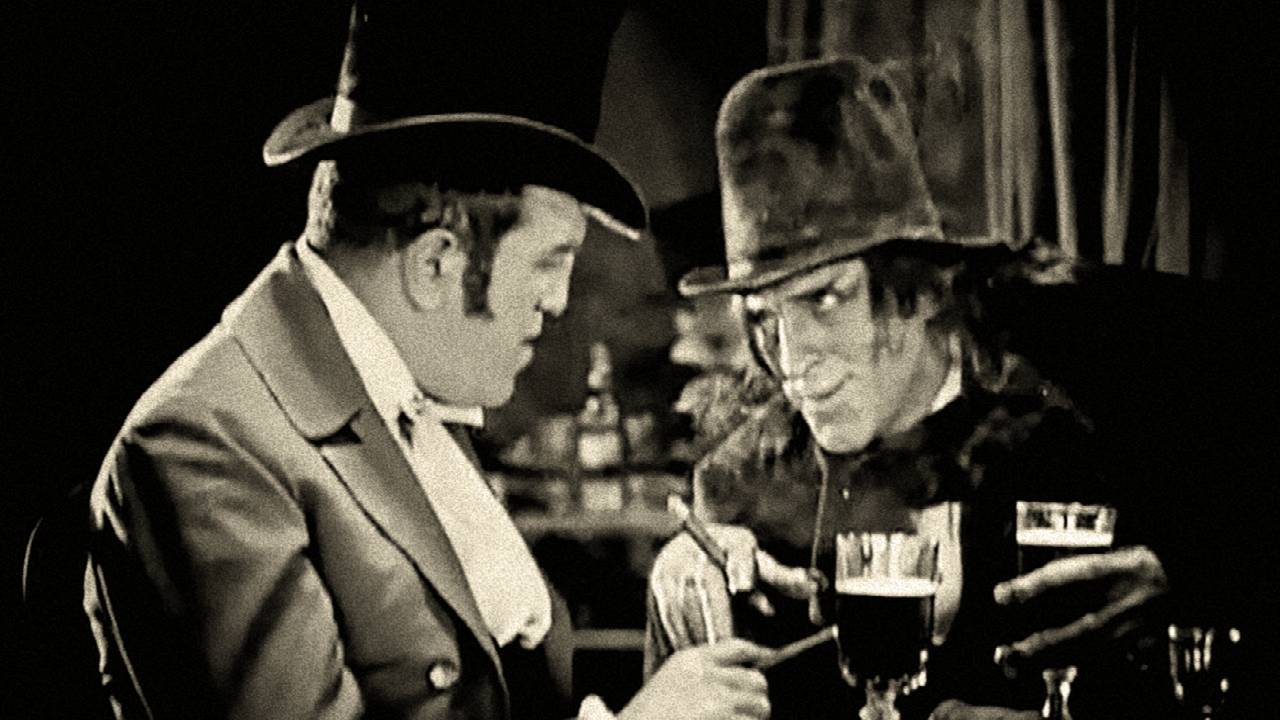
Obsessed by the mysteries of the human soul, Doctor Henry Jekyll has invented a serum that separates good from evil. But as he experiments it on himself, he sets Edward Hyde, his monstrous double free, unleashing uncontrollable violence.
We thought we couldn’t learn anything more from Stevenson adaptations. and yet, by rediscovering John S. Robertson’s masterpiece, we find that everything essential was already there. Not only is it one of the first major takes on the novel, but it might still be the best one, better even than Rouben Mamoulian’s (1931) with Fredric March and Victor Fleming’s (1941) with Spencer Tracy. The script, by Clara Beranger, one of the greatest scriptwriters of American silent movies, turns out to be remarkably faithful to the original material, while preserving the social and metaphysical issues that later adaptations would often discard or simplify.
Profoundly Victorian, this adaptation takes the weight of morality head on, as it does the repression of desire, and the conflict between the id and the superego. This reflection on desire wouldn’t see any equivalent until Borowczyk, sixty years later.
Formally it’s almost revolutionary. As American as it is, it seems to announce German expressionism, with its labyrinthine sets, and strongly contrasted lighting. Long before Universal’s great classics, Robertson displayed an astounding modernity: long tracking shots, multiple exposures, mirror and perspective effects, and impressive transformations shot in almost real time, achieved through the actor’s work, make up and photographic effects. Finally, let’s not forget the most essential: John Barrymore’s legendary performance, who single-handedly invented a physical language for the monster. Hyde emerges not merely from makeup, but from a body contorting before our eyes, as if evil was progressively reshaping his flesh. A stupendous incarnation of human duality.
Profoundly Victorian, this adaptation takes the weight of morality head on, as it does the repression of desire, and the conflict between the id and the superego. This reflection on desire wouldn’t see any equivalent until Borowczyk, sixty years later.
Formally it’s almost revolutionary. As American as it is, it seems to announce German expressionism, with its labyrinthine sets, and strongly contrasted lighting. Long before Universal’s great classics, Robertson displayed an astounding modernity: long tracking shots, multiple exposures, mirror and perspective effects, and impressive transformations shot in almost real time, achieved through the actor’s work, make up and photographic effects. Finally, let’s not forget the most essential: John Barrymore’s legendary performance, who single-handedly invented a physical language for the monster. Hyde emerges not merely from makeup, but from a body contorting before our eyes, as if evil was progressively reshaping his flesh. A stupendous incarnation of human duality.
Credits
- With : John Barrymore, Charles Lane, Brandon Hurst, Marsha Mansfield, J. Malcolm Dunne...
- Screenplay : Clara Beranger, adapted from the novel 'Strange Case of Dr. Jekyll and Mister Hyde' by Robert Louis Stevenson
- Photography : Karl Struss, Roy F. Overbaugh
- Production : Adolph Zukor
Screenings
06/09 • 16h00 • Screen 500
Screening hosted and accompanied on piano by Serge Bromberg
Screening in partnership with Steamboat Films, the Library of Congress (USA) and Blackhawk films