The Death of Dracula + The Thing in the Coffin
EN
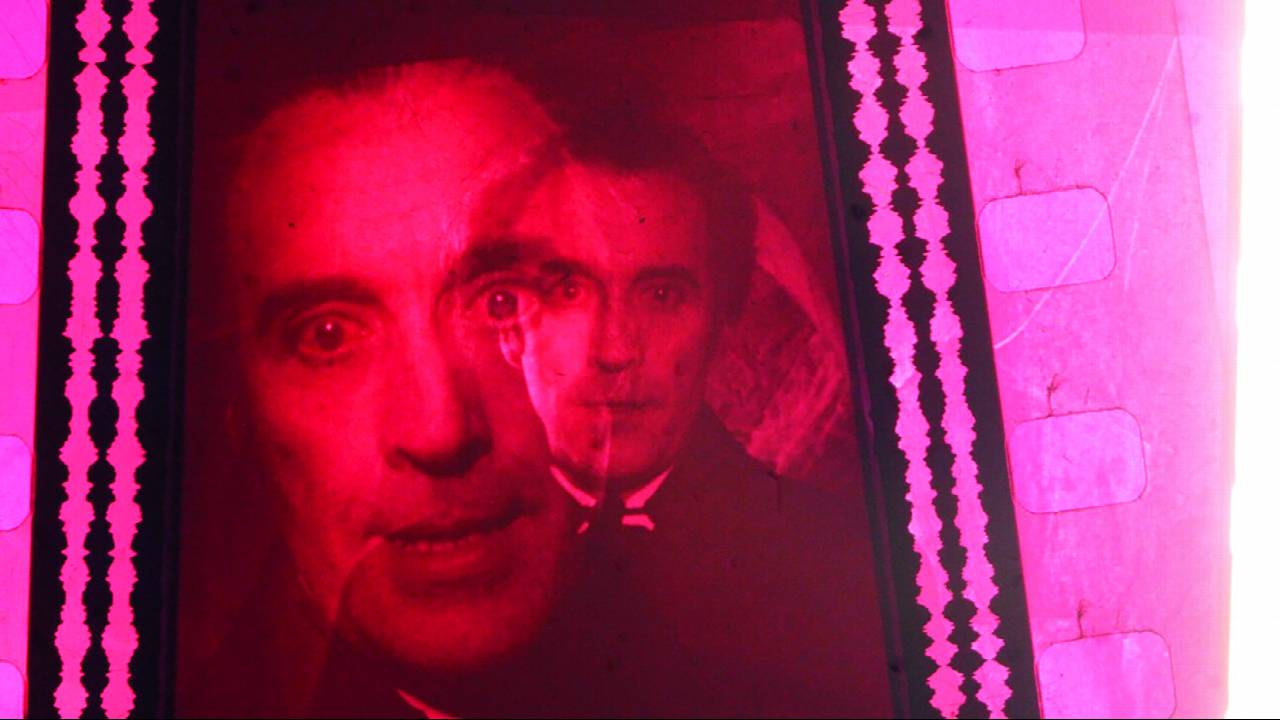
The Thing in the Coffin
(A dolog a koporsóban)
Péter Lichter
- 2026
- Hungary
- Horror / Experimental
- 1h02mn
- Sound
- Black and white with color
French premiere
An experimental adaptation of Bram Stoker’s Dracula.
Already familiar with horror cinema, (notably on the Nightmare On Elm Street films) avant-garde filmmaker Péter Lichter takes on several chapters of the Dracula novel, illustrated by an impressive mash-up of vampire movies, drawn from sources that are often impossible to identify. Mixing digital and analog techniques, video and film, he scratches, erases, repaints, degrades the material, for a journey bordering on hypnosis providing one surrenders to it. He sculpts cinema like a ghostly substance made to haunt us, shaping it as a lost art form: the recovered remnants are but illegible fragments. An abstract nightmarish poem that verges on a philosophical meditation regarding the future of image.
Credits
- Screenplay : Péter Lichter
- Photography : Péter Lichter
- Editing : Péter Lichter
- Production : Bence Kovács-Vajda, Anna Bölöni
- Production : Péter Lichter
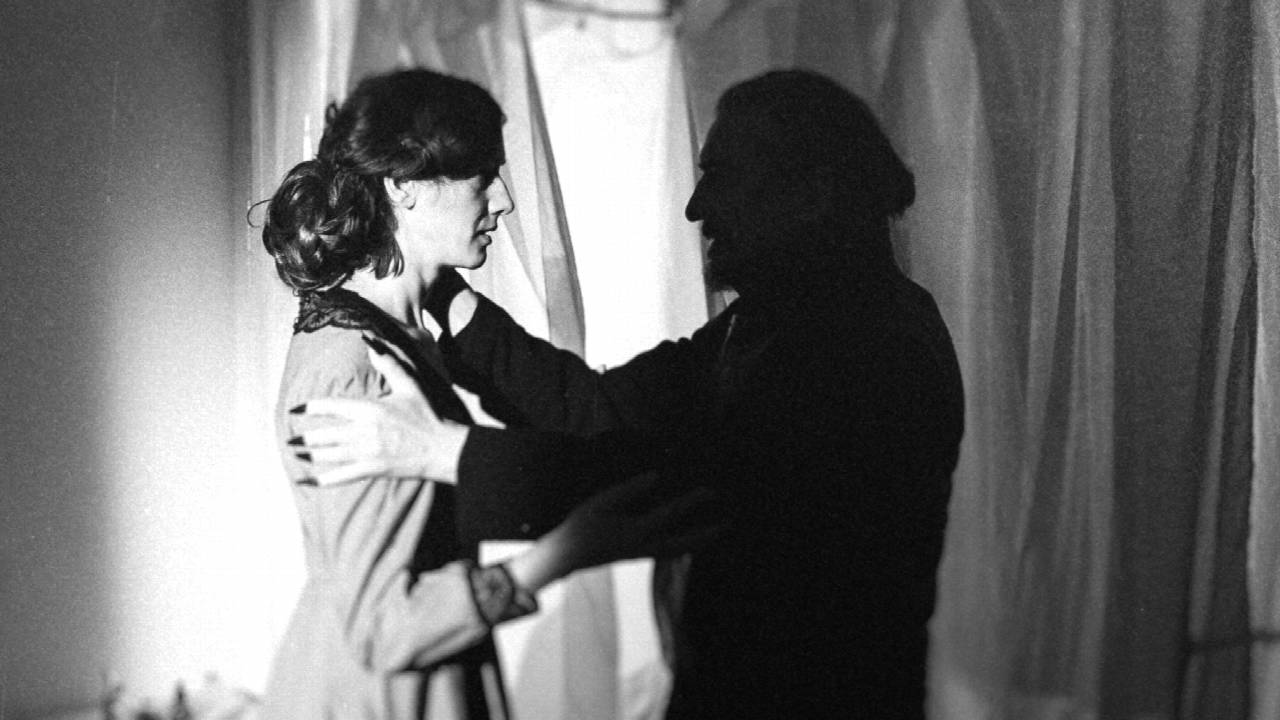
The Death of Dracula
(Drakula halála)
Gyopár Buzási, Boglárka Farkas, Attila Gödri, Flóra Kovács, Szalbolcs Sztercey, Orsolya Orbán, Nóra Miklós, Zsófia Makkai
- 2025
- France, Hungary, Romania
- Horror
- 1h00mn
- Mute
- Black and white
French premiere
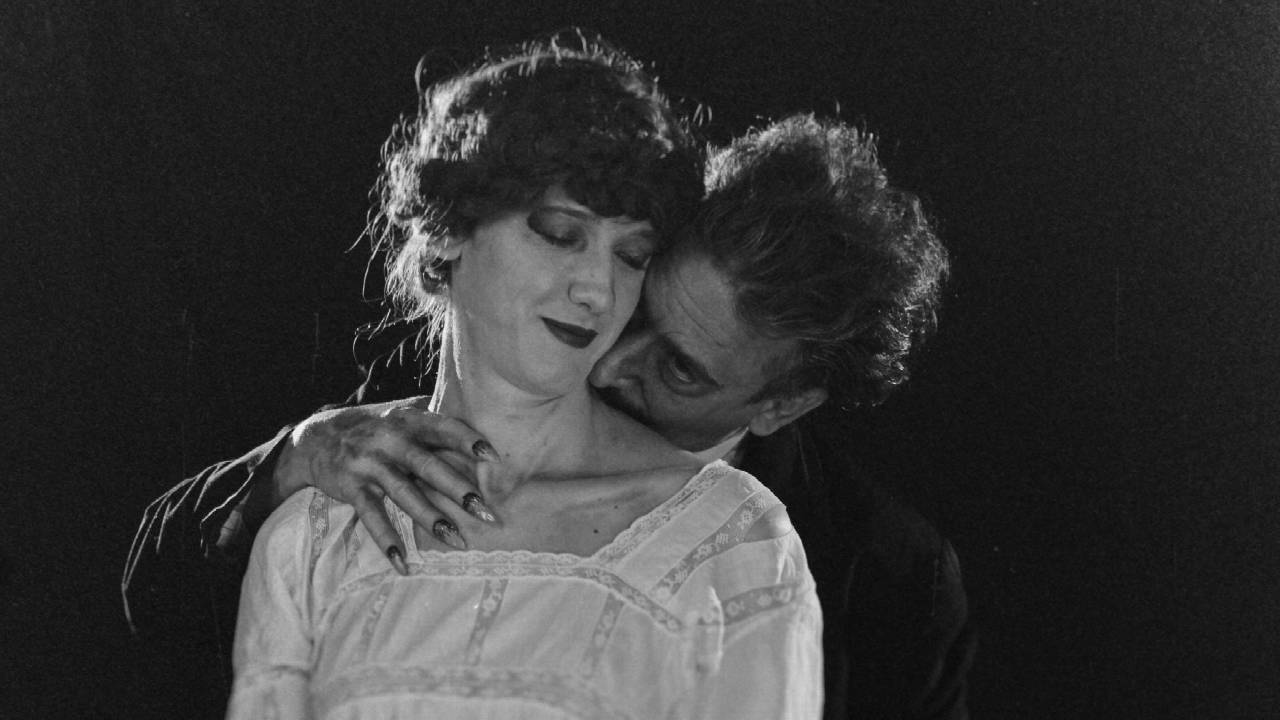
In a snowy Transylvanian village, young Mary comes to visit her dying father, who has been institutionalized in a psychiatric hospital for years. There, she meets a strange man who introduces himself as Dracula.
Only a few promotional photos, press articles and a novelisation of the screenplay remain of Dracula’s first cinema appearance in 1921, one year before Murnau’s Nosferatu. This Hungarian film directed by Károly Lajthay, is forever lost. But a group of students from Sapientia University, have taken on the challenge to imagine it as it might have been, based on these few surviving traces. The result is baffling and haunting: an act of love, a vampiric resurrection defying the lost imagery, as a bold refusal to let cinema die.
Credits
- With : Tibor Pálffy, Enikö Varga...
- Screenplay : Gyopár Buzási, Boglárka Farkas, Attila Gödri, Flóra Kovács, Szalbolcs Sztercey, Orsolya Orbán, Nóra Miklós, Zsófia Makkai
- Photography : Ádám Török, Endre Dózsa, Balázs Rokaly, Balázs Bodor, Gergő Jancsik, Csaba Dénes
- Editing : Alex Böjthe
- Music by : Miquéu Montanaro
- Production : Robert Lakatos