Tribute to Ornella Muti
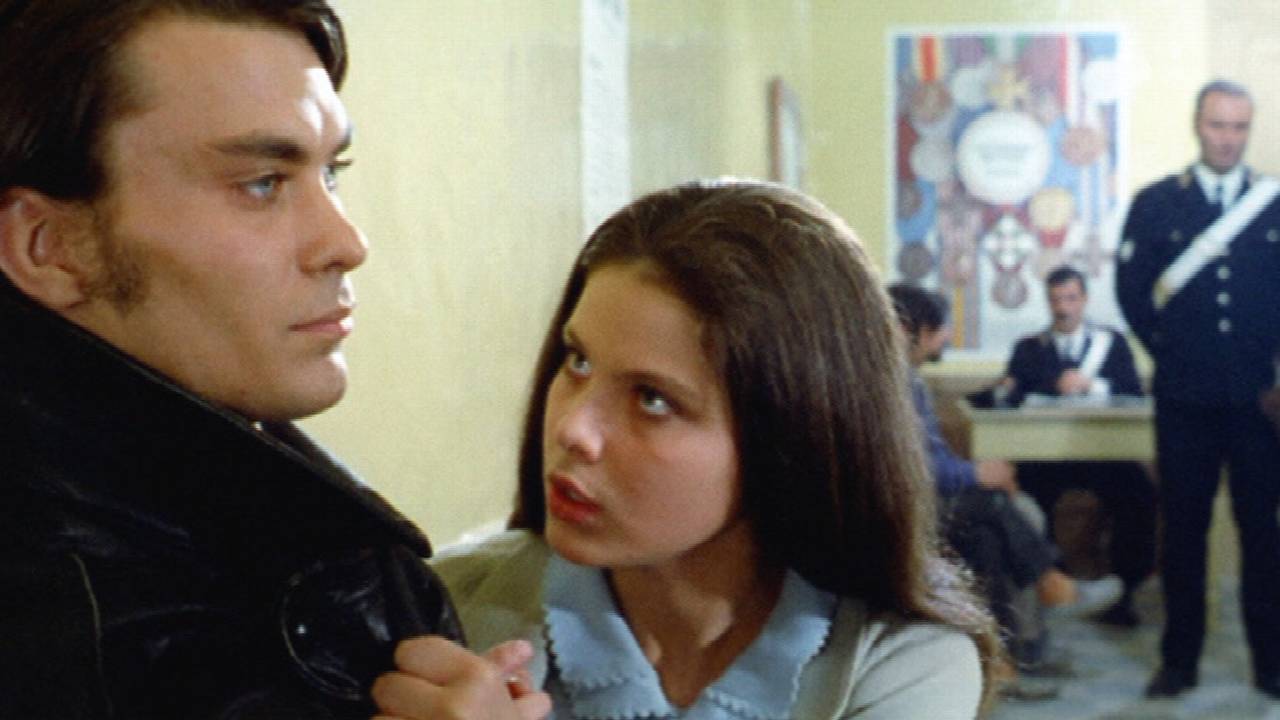
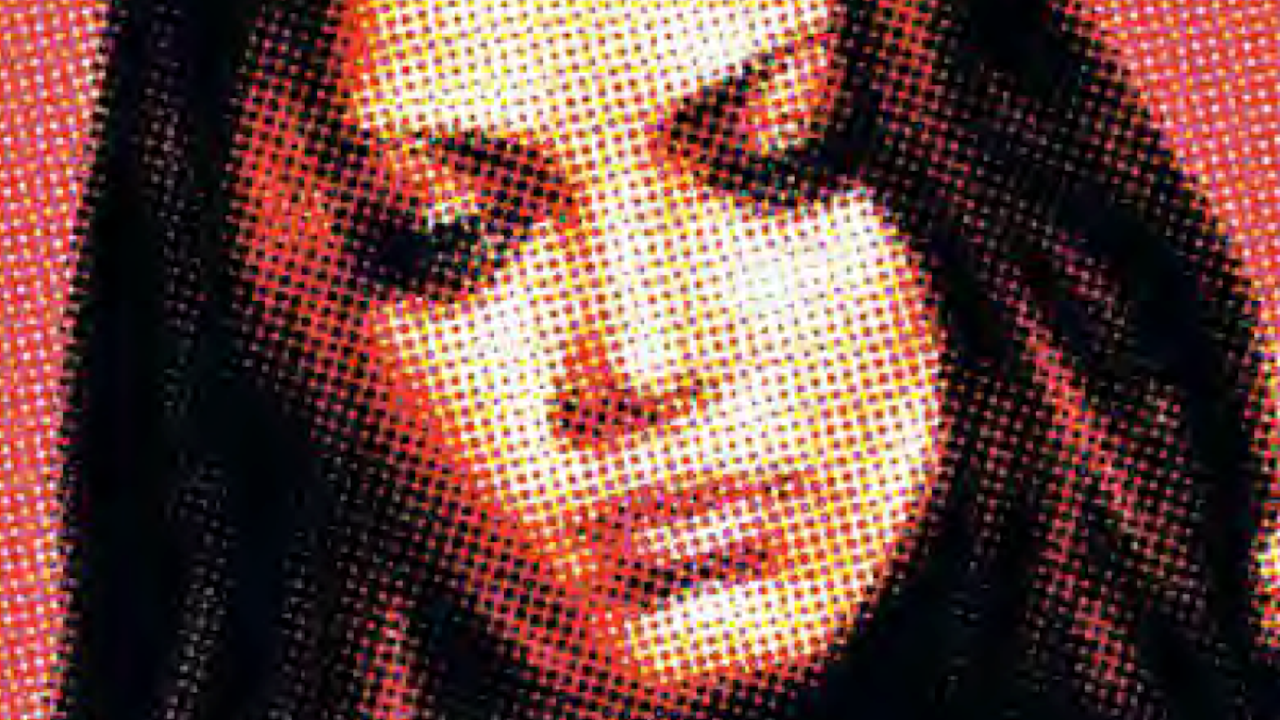
As unforgettable as some actresses may be, they shine less by their celebrity than by their inexplicable quality of presence that turns each of their appearances into an event. Ornella Muti belongs to this rare breed. From her debut at age fourteen, she captured our gaze with a naturalness that never left her: The Most Beautiful Wife (1970) by Damiano Damiani gave her one of her greatest roles. Born Francesca Romana Rivelli in 1955 in Rome from a Neapolitan journalist father and an Estonian mother with German origins, she adopted the stage name Ornella Muti, a name soon inseparable from Italian cinema.
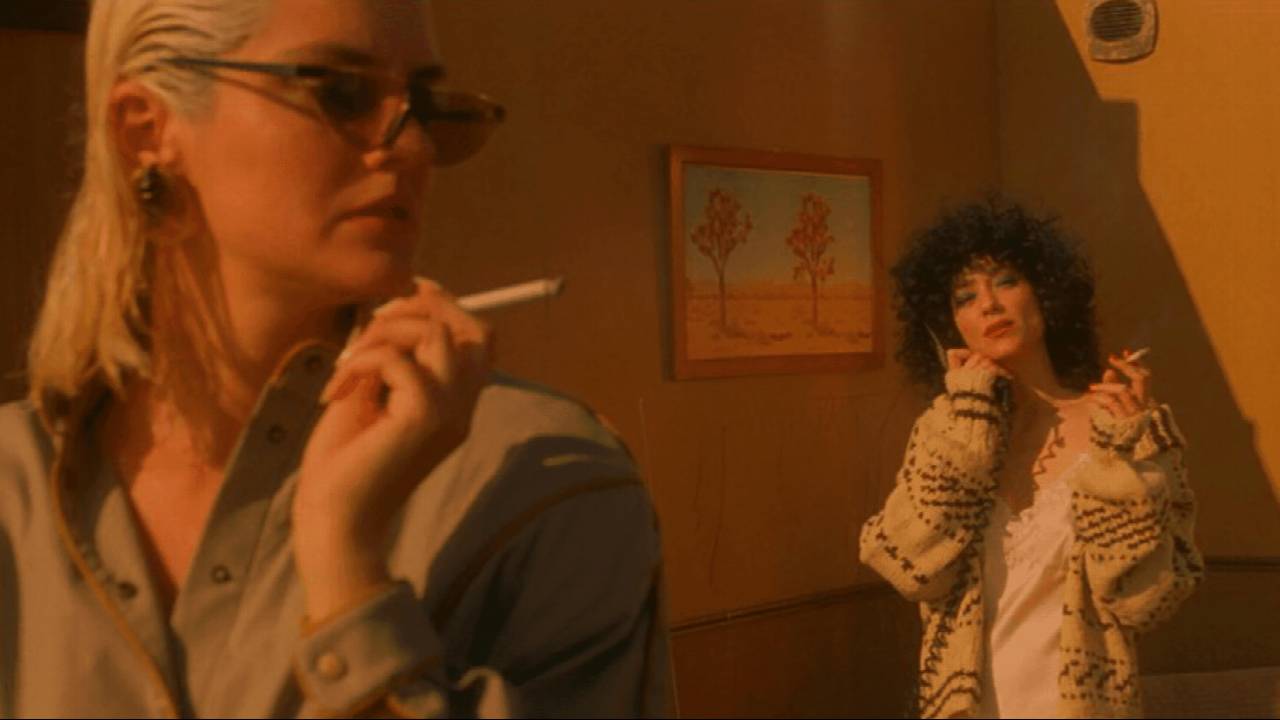
From the 1970s to the end of the 80s, she composed a filmography defined by exemplary freedom. She rejects any hierarchy between cinema genres, switching with startling ease from popular cinema to art-house films, from comedy to melodrama, from Noir to fantasy films, all the way into the more adventurous realms of exploitation movies. Loyal to Dino Risi as well as Marco Ferreri, she accepts the boldest propositions, never fearing controversy: Tales of Ordinary Madness, Ferreri’s hallucinatory adaptation of Bukowski, sparked as much scandal as admiration and remains one of the most radical experiences of her career.
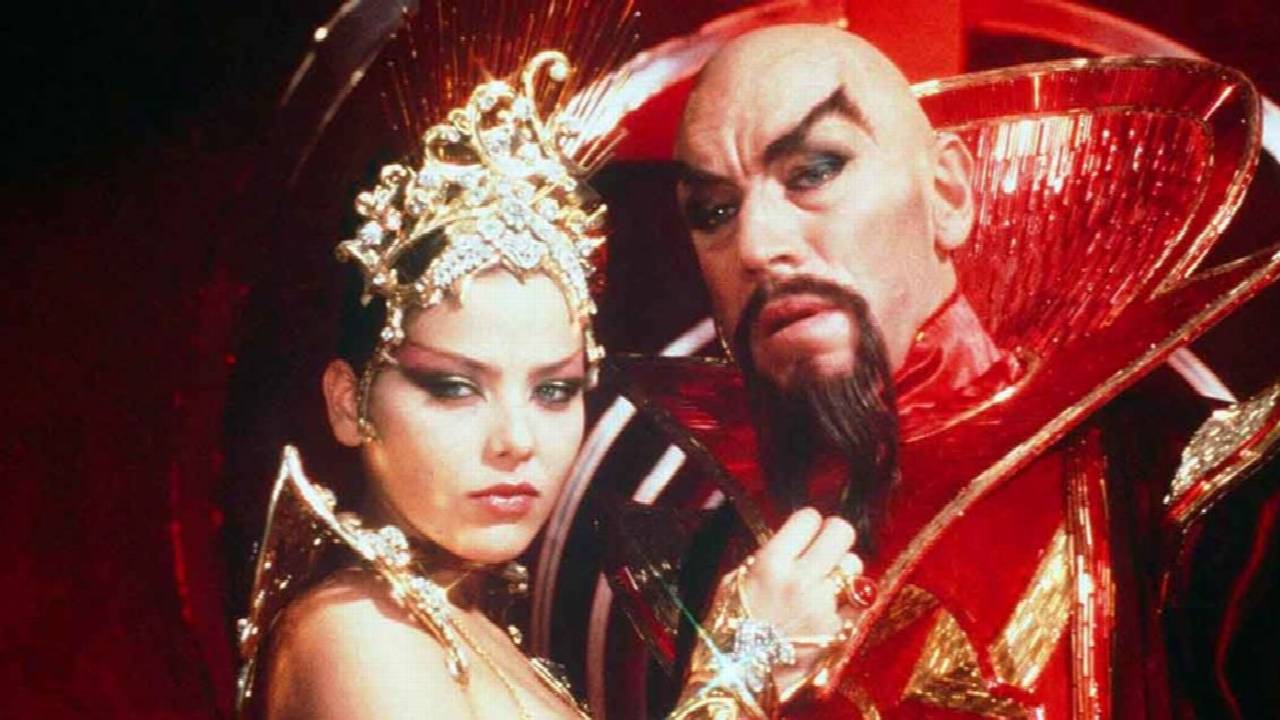
Hollywood came calling (Flash Gordon, Oscar), France too, where she twice joined Alain Delon (Death of a Corrupt Man, Swann in Love), but she never accepted permanent exile. Always ready to take risks, she continues to inspire filmmakers with very diverse visions. Lucas Belvaux gave her several great roles in the early 2000s, while she also agreed to participate in Peter Greenaway’s experimental projects and later, with Bertrand Mandico.
Ornella Muti’s singularity comes not only from her beauty, but also from her almost supernatural aura, better expressed in Italian by the word fantasma. Forever poised between strength and fragility, both phantom and fantasy, she seems to belong elsewhere.
Sensuous without ever being reduced to a sex symbol, she haunts her films as much as she inhabits them. Bertrand Mandico made no mistake when he cast her as an allegory of all actresses and of Italian cinema, of which she single-handedly remains the living embodiment.
From the 1970s to the end of the 80s, she composed a filmography defined by exemplary freedom. She rejects any hierarchy between cinema genres, switching with startling ease from popular cinema to art-house films, from comedy to melodrama, from Noir to fantasy films, all the way into the more adventurous realms of exploitation movies. Loyal to Dino Risi as well as Marco Ferreri, she accepts the boldest propositions, never fearing controversy: Tales of Ordinary Madness, Ferreri’s hallucinatory adaptation of Bukowski, sparked as much scandal as admiration and remains one of the most radical experiences of her career.
Hollywood came calling (Flash Gordon, Oscar), France too, where she twice joined Alain Delon (Death of a Corrupt Man, Swann in Love), but she never accepted permanent exile. Always ready to take risks, she continues to inspire filmmakers with very diverse visions. Lucas Belvaux gave her several great roles in the early 2000s, while she also agreed to participate in Peter Greenaway’s experimental projects and later, with Bertrand Mandico.
Ornella Muti’s singularity comes not only from her beauty, but also from her almost supernatural aura, better expressed in Italian by the word fantasma. Forever poised between strength and fragility, both phantom and fantasy, she seems to belong elsewhere.
Sensuous without ever being reduced to a sex symbol, she haunts her films as much as she inhabits them. Bertrand Mandico made no mistake when he cast her as an allegory of all actresses and of Italian cinema, of which she single-handedly remains the living embodiment.